Highlander

What is Canadian Highlander? 

Canadian Highlander is a Constructed format. The minimum deck size is 100 cards and it’s a singleton format which means you can only use one copy of each card (with the exception of basic lands). It’s played like any other form of Constructed Magic: One-on-one, starting at 20 life.

It uses the current Vintage banned list. As you may know, Vintage doesn’t have cards banned for power level reasons, but rather for other reasons like requiring physical dexterity or ante cards. Since Highlander is a singleton format, you can play any card legal in Vintage in your deck. Yes, this includes any Mox, Black Lotus, Library of Alexandria, Demonic Tutor, whatever.

Now, you may be checking out at this point as acquiring these cards is hard to do. Fear not, there are a few stopgaps which make this much less of an issue:

First, you are allowed to use cards from Collector’s Edition, International Edition, and Championship Deck Edition in your decks. You still can’t use silver-bordered cards or conspiracies however.
581


Second, the format uses a clever way to restrict the number of broken cards you can play: The points system. More on that later.

Oh, and there are no sideboards in Highlander.

Why Highlander?

When Commander came to prominence, it filled a very important niche in Magic; it let you play with old, nostalgic, fun cards. Cards like Doubling Season, various big scary dragons, and Warp World simply didn’t have a home before Commander.

Plus, the nature of 100 card singleton decks means that you get to play a lot of cards you wouldn’t normally see. For example, if you play a normal 60 card Constructed deck with 24 lands, you could play as few as 9 individual cards if you had all 4-of’s. In a 100 card singleton deck, you will play 60 or more individual cards!

Commander is meant to be played casually, and played with multiple players. Starting at 40 life also means that the efficient spells we often play in Constructed are replaced by bigger, more expensive effects.

Commander is awesome, and has done a great job of filling a niche that needed to be filled for a long time. I have an Animar Commander deck and I love it.

But.

If you are anything like me, Commander isn’t *exactly* what I want. While I appreciate the long games and big swingy turns in Commander, it’s the sweet, efficient, cards of yore that I miss. It’s tight play and sweet sequences.

I miss Preordain, and Mulldrifter and Deathrite Shaman and Vendilion Clique. And Lightning Bolt and Jace the god damned Mind Sculptor.
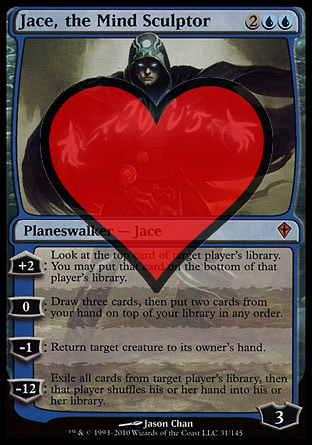
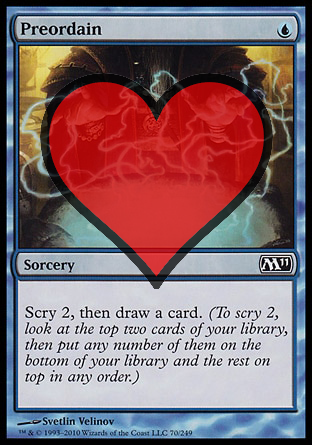
jtms preordain

But many cards that fit this description are either just bad in Commander — where you are facing down multiple opponents — or they are frowned upon because Commander is meant to be played casually. You know, just for fun.

This introduces a lot of questions and concerns. How each person defines casual doesn’t usually match the way another person does. For me, I like to have a clear intent in mind when I sit down to play Magic.

Win the draft. Kill my opponent. That kind of thing.

And I know I’m not alone in that. I think everyone can see that Commander is fantastic at what it does, but what if what it does isn’t quite what you want to be doing?

This is where Highlander comes in.

In Highlander, you play one-on-one only. You play at 20 life like normal, and you are whole-heartedly encouraged to kill your opponent at the earliest possible convenience.

Now all of those Coiling Oracles, Mystic Snakes, Hypnotic Specters, Counterspells, Think Twices, and yes, Man-O’-Wars can come out of hiding and see some actual play again. And since the format uses the Vintage Banned list, you get to play with the occasional Mox, Mana Drain, Sol Ring, or even a Black Lotus.

The Points System

The points system is a fantastic way to regulate the power level of decks in a singleton format. Since very few cards are outright banned, Highlander is ripe for the picking to be a completely degenerate format. There are so many tutors and broken fast mana spells available that the decks would feel all quite similar, and quickly.

The points system addresses a subset of very powerful cards, each of which receives a number of points associated to it.

The way it works is simple: You have 7 points to spend however you like. You can play fewer than 7 if you want, but you can’t play more than 7 points in a 100 card Highlander deck.

For example, if you wanted to run Ancestral Recall in your deck, that will cost you 3 of your 7 points. A mox you say? Those are 2 points. With your remaining two points you could run a Strip Mine.
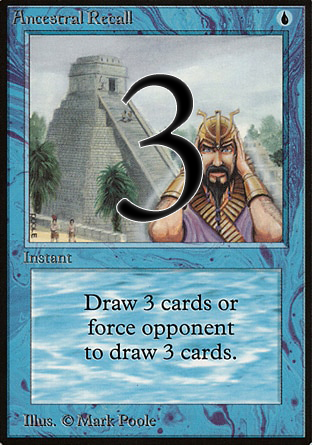
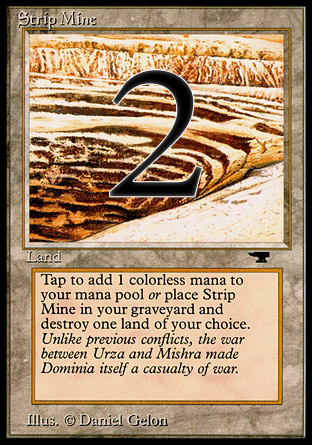
48 26771Or maybe a Vampiric Tutor. Or you could run both Umezawa’s Jitte and Balance. It’s up to you.

The pointed cards are mainly tutors, fast mana, and broken/degenerate cards.

Pointing tutors makes a ton of sense, as the whole point of a 100 card format is to introduce varied game play. Doing this also keeps absurd combos at bay, while still letting combo exist.

Pointing fast mana makes sense since everyone would just always play as much of it as they could if there were no restriction. This opens the door for different types of decks to emerge.

And some cards are just too good. Many of these are the cards that are restricted even in Vintage. Ancestral Recall, Balance, Doomsday.

I’ll admit I was a little daunted by the points list at first, but after you get into your first deckbuild, you realize what an awesome way this is to restrict card play. It does put a lot of pressure on the points assigned to be close to correct, but the tension it creates is totally worth it.

You can view the points list here.

Do It

What I really wanted was a deck that I could take with me to coverage events, and be able to jam some fun games of interesting Magic in the hotel lobby, at the airport gate, or with friends after dinner. I didn’t want to commit to a long Commander game, and I wanted to be able to play the cards I like to play.

I love the idea of having an ever-evolving Highlander deck, and when awesome new cards come out for it, I’ll add them in.

So go get started on your Highlander deck. If you’re like me, you’ll enjoy it!

Check out the full website on Highlander here. 

I wanted to say thanks to the awesome Magic players in the Victoria, BC area who developed this format, and even took the time to introduce it to me. They made the Highlander website referenced in this article and also manage the points list. 
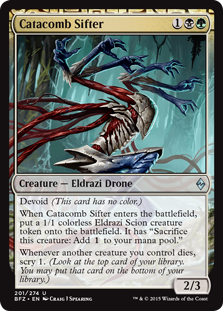
Five Exclusive Battle For Zendikar Preview Cards!

We have a great lineup of powerful uncommon preview cards for you this week! Let’s just get right to the cards. 0201_MTGBFZ_EN_HRR

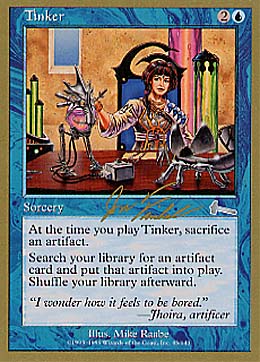
Man, they aren’t messing around this time. This card is amazing. Three mana for 3 power and 4 toughness with multiple forms of upside! Can’t wait to cast this guy.

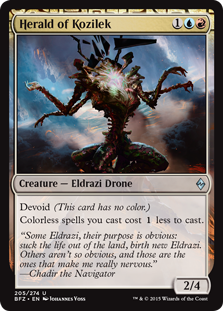
0205_MTGBFZ_EN_HRR

Herald of Kozilek is not as powerful as the previous card, but it’s still pretty strong. The real question is how much we can abuse the cost reduction ability..

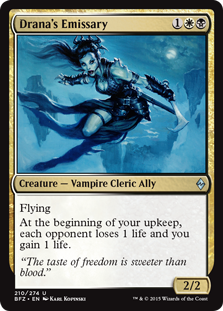
0210_MTGBFZ_EN_HRRDrana’s Emissary is super strong in an aggressive deck. It hits for effectively 3 damage a turn, and even if they have a blocker they have to kill it at some point in the game. Love it. Also: Vampire Cleric Ally is a kind of insane creature type line.

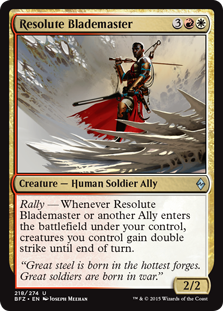
0218_MTGBFZ_EN_HRRResolute Blademaster doesn’t do much for the Vanilla Test, but you only need to get this trigger once or twice to close out a game. Very powerful, even if it has a relatively high Setup Cost.

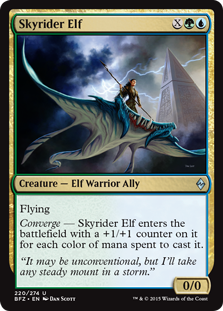
0220_MTGBFZ_EN_HRR


Skyrider Elf is a 2/2 with flying for two mana. That’s very good. If you happen to have other colors of mana laying around, you can grow it even bigger. Think of super flexible Skyreach Manta with upside. Yep.

Piratelab Bag Review

Hey All,

Not the normal thing for us here on LR, but I’m always looking for ways to add value for our listeners, and one popped up at GP Dallas. Brian from Piratelab.com approached me at the GP and offered to give me one of their messenger bags. After working out the details, I set it up so that we would get two bags, which I will review here, and then give them away to LR Patrons. As you may know, I take seriously the things I recommend on the show. Since I hadn’t actually used the bags before, we agreed that I’d do a review of them on here.

I warned Brian that I would be writing an actual review, not an advertisement, and that if he sent me crappy bags he would get a crappy review.

By way of background: I love bags and backpacks. I have hiked for most of my life, and the gear you take hiking can have a big effect on your enjoyment of the activity. This also applies to travel, which I do for more weekends out of the year than the ones I’m home for. I own five backpacks and two or three shoulder bags, and I always research out what I buy before I pay.

I’ve even visited the factory of my favorite bag maker, which happens to be based here in Seattle.

I don’t think this makes me an industry expert on bags, but lets just say I’m an educated enthusiast on the subject.

The Review

Piratelab sent us two bags: the small card case and the large card case, both in black. I requested black for the bags because I knew I was going to give them away and didn’t want to presume that whomever received them has the same aesthetic tendencies that I do. That said, they are available with a bunch of designs on the front ranging from bearded-elf-guy-leaning-against-a-rock, zombie-with-an-arrow-through-his-throat, some solid colors, and even artwork which resembles but isn’t quite the same as the From the Vaults version of Balance made by Magic artist Randy Gallegos.

The outer material is a polyester fabric that looks reasonably tough and was surprisingly well constructed. There are plenty of smaller companies with aims similar to those of Piratelab who have great marketing but then just outsource the building of the product overseas and end up with a crappy product. While these bags are made in China, they have clearly made sure that they meet a reasonable measure of quality. Now, these wouldn’t hold up to some of my other bags as far as quality goes, those bags are meant to be used every single day for years. They also cost a good deal more than these bags.

These are more for the weekend warrior, and for that purpose, they are quite well made.

Piratelab claims that the material is water resistant, but I didn’t test it myself.

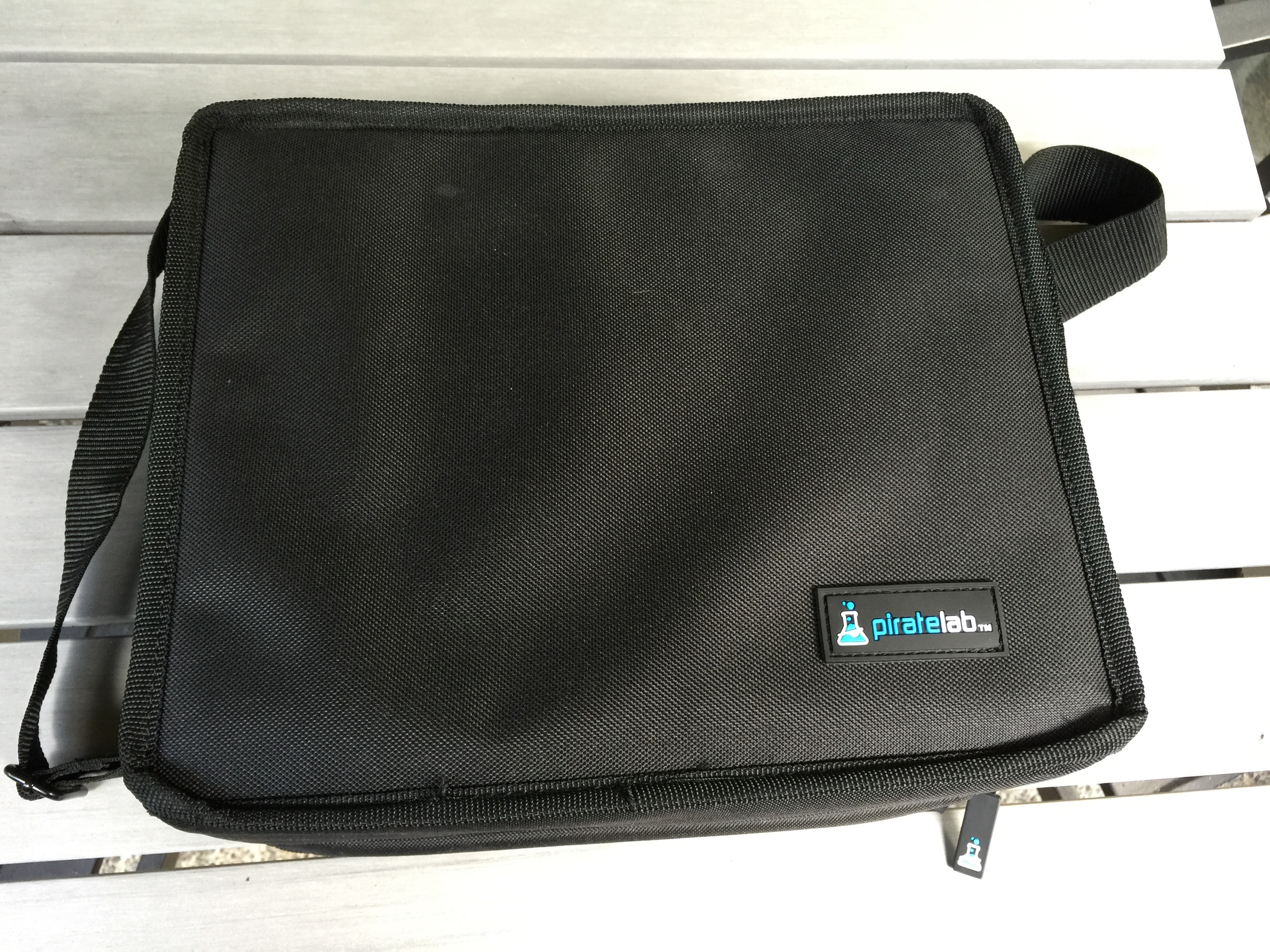
IMG_4613Piratelab Small Card Case in Black

There are some nice touches here as well with the zippers, buckles, and handle. The buckles and attachment points are all metal, which is nice. The handle is thick rubber, but has vents in case you end up holding for a while. The shoulder strap has a wider section for comfort. It’s clear a lot of thought went into designing this bag. The zipper pulls even have little Piratelab logos on them.

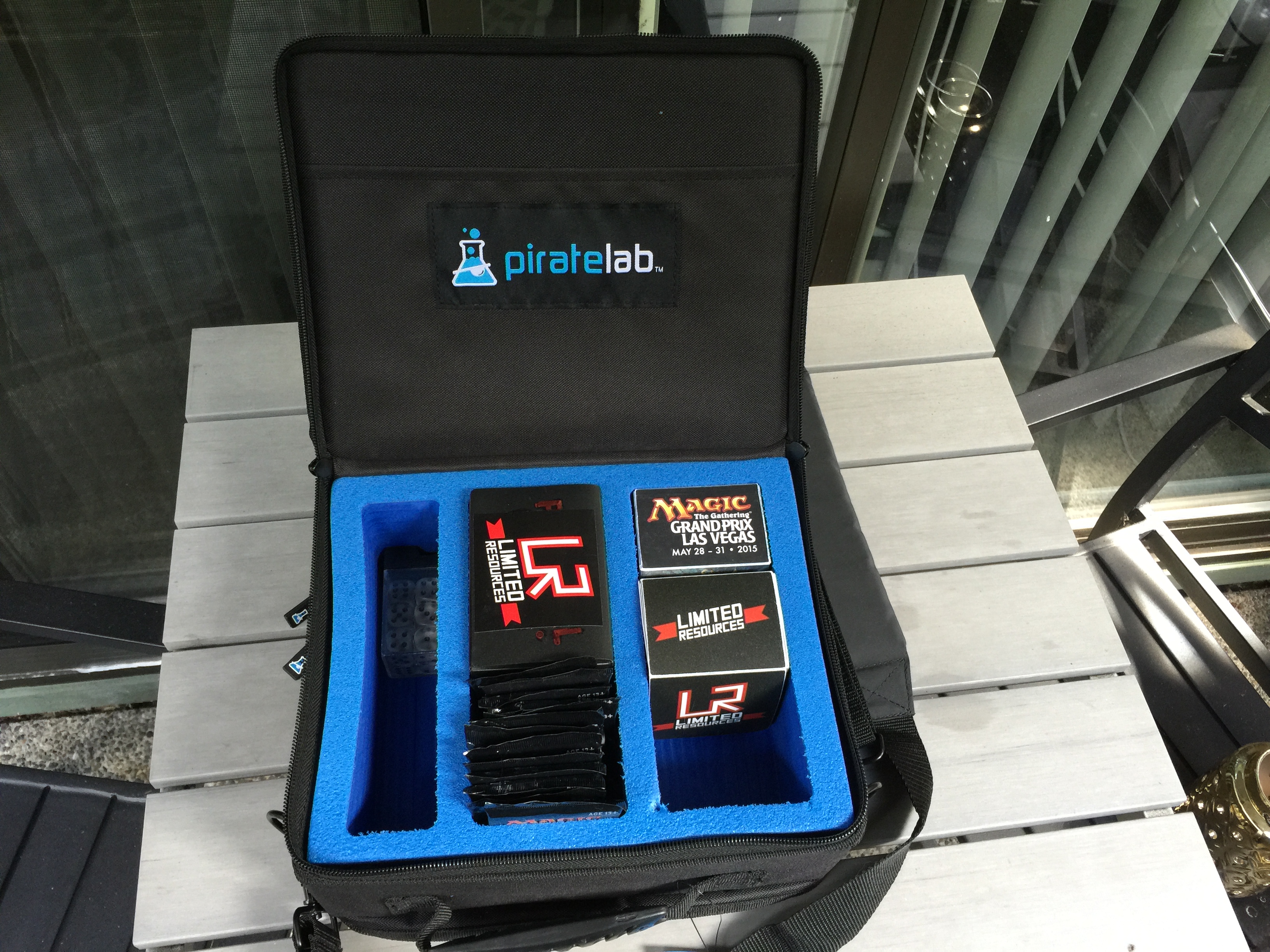
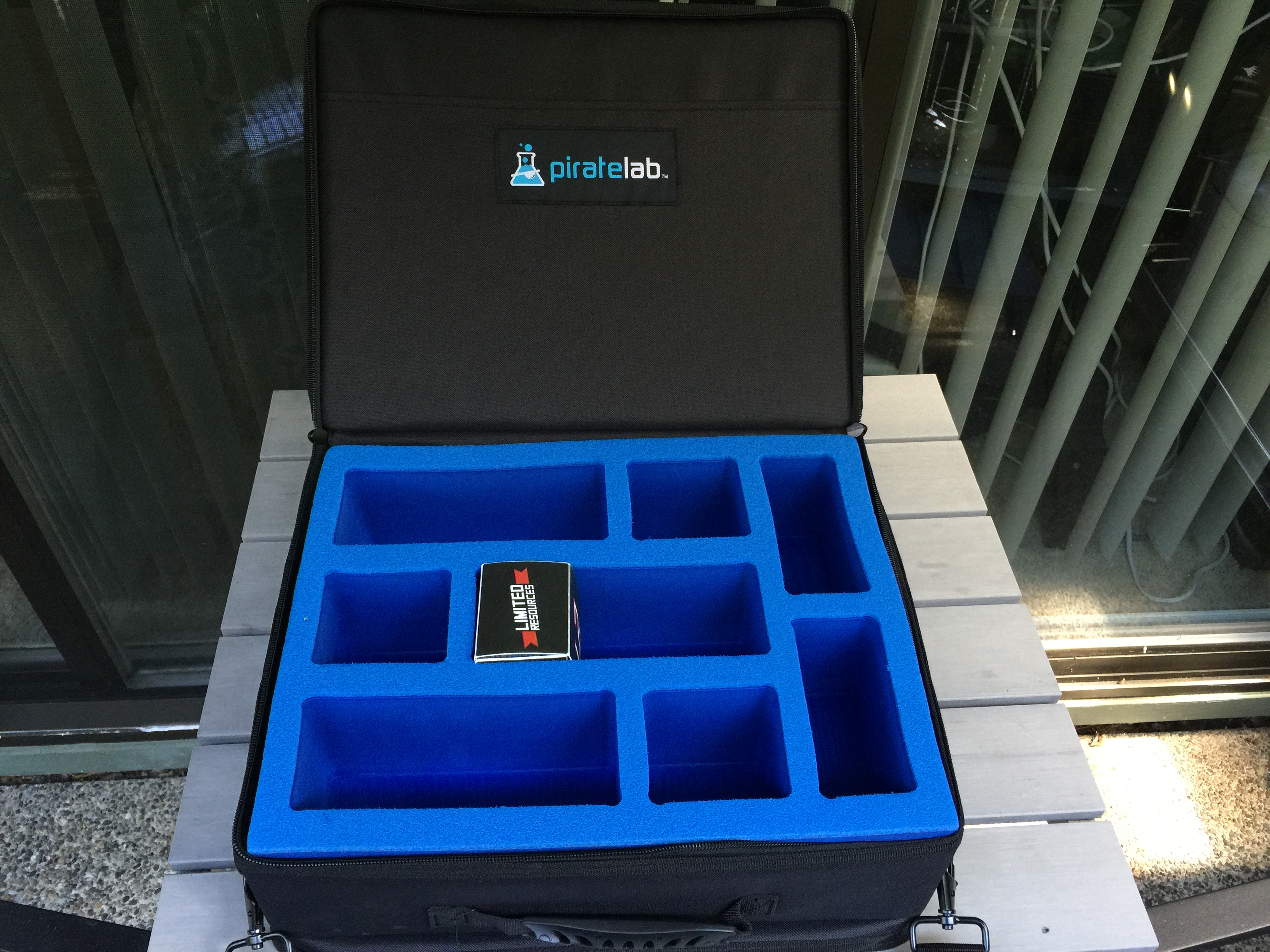
Whatever your preference, the inside looks the same on all the bags: a removable blue foam insert made to organize your Magic stuff. The insert feels dense and tough, but without being heavy—a great combination when you are trying to protect your valuable cards but also carry them around all day. The insert looks to be custom made for Magic stuff, as it fits deckboxes perfectly and I even jammed a fatpack box in there as well just to see if it would fit.

The space inside has apparently been designed such that you figure out the way it works best for you. You can put bare cards in the slots—the bag comes with foam dividers—or you can put deckboxes with your Commander decks in there or whatever. There is a long slot on the left side for dice, life pads, counters, etc.

IMG_4614Interior of Small Card Case

As you can see, the small case can hold quite a lot. The way I have it set up for the photo above, it could easily hold three deckboxes (each capable of a Commander deck), another large deck box, twelve (or more) booster packs (drafto), and still tons of room on the left for miscellaneous stuff or even more cards.

IMG_4615

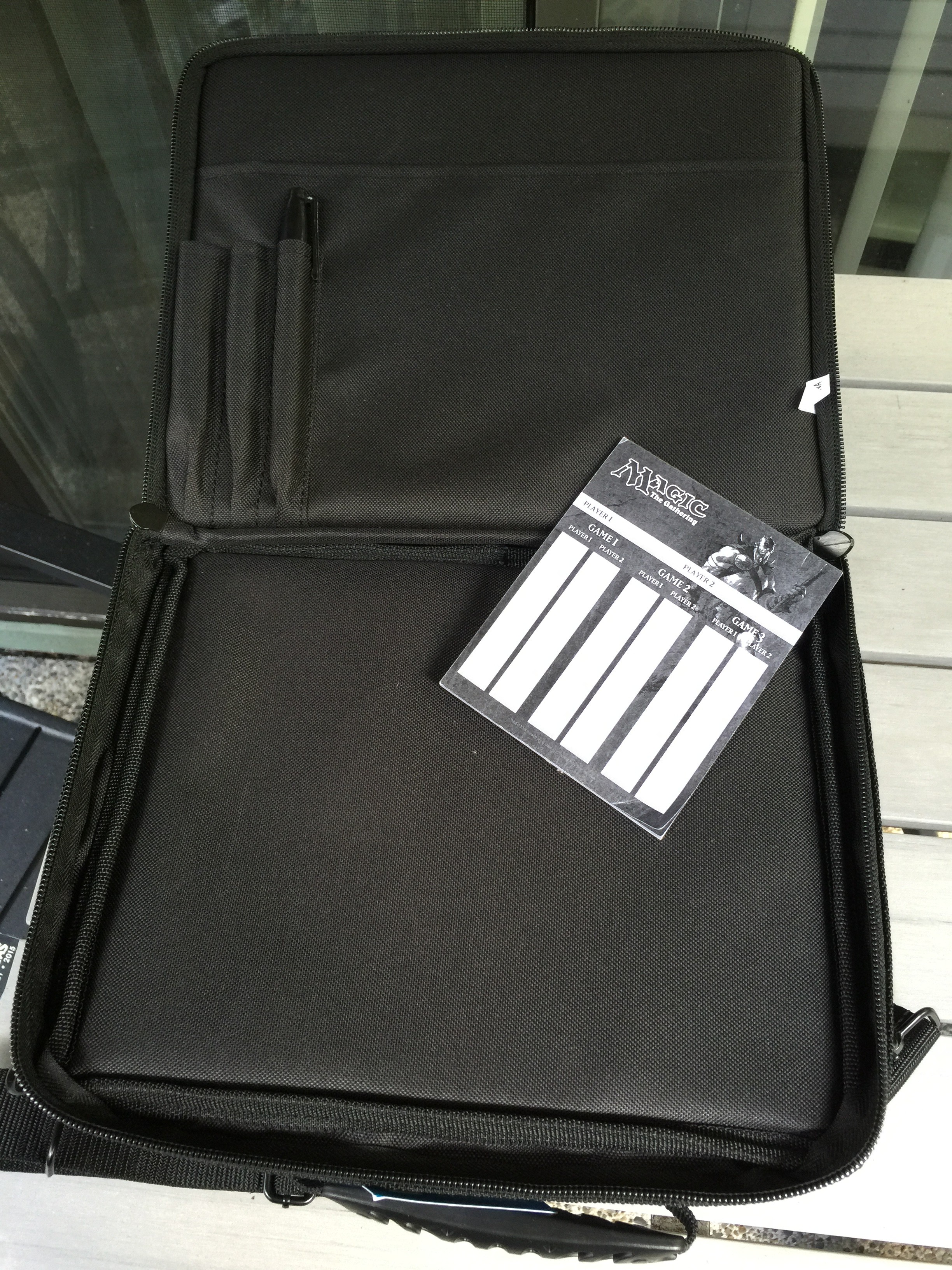
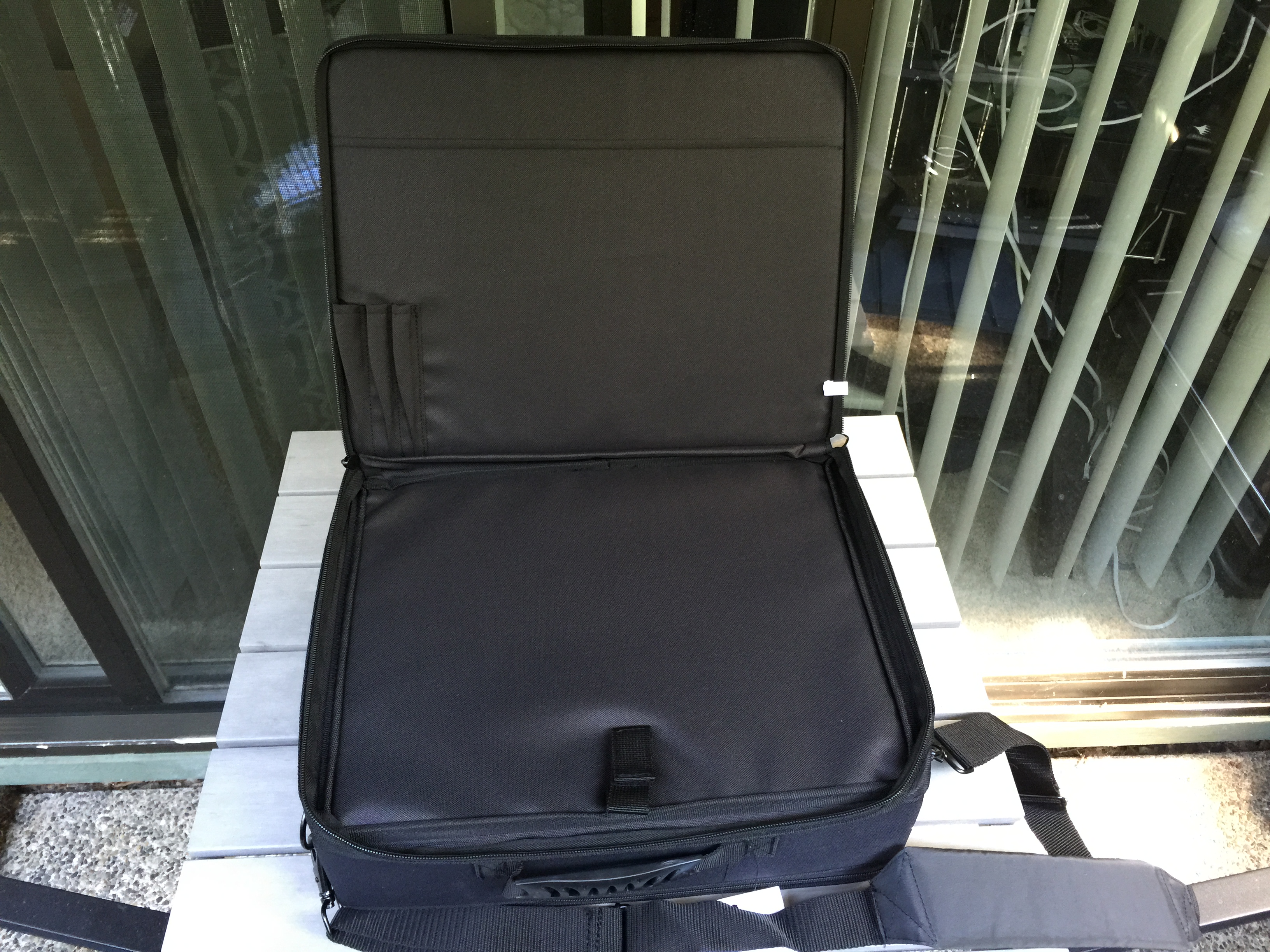
Back Pocket of Small Card Case

On the back of the case there is more storage. This area is relatively flat, so you could put a trade binder, life pad, maybe even a folded up playmat back here. There are also some pen-holders here, which is handy since you always need pens at a Magic tournament.

I really like the size of the small card case, it seemed perfect for most Magic players going to a weekend-long tournament.

If you happen to be the person with ten Commander decks, or a card dealer looking to move a lot of product, or maybe just a binder grinder looking to trade all weekend, the large case may suit you better.

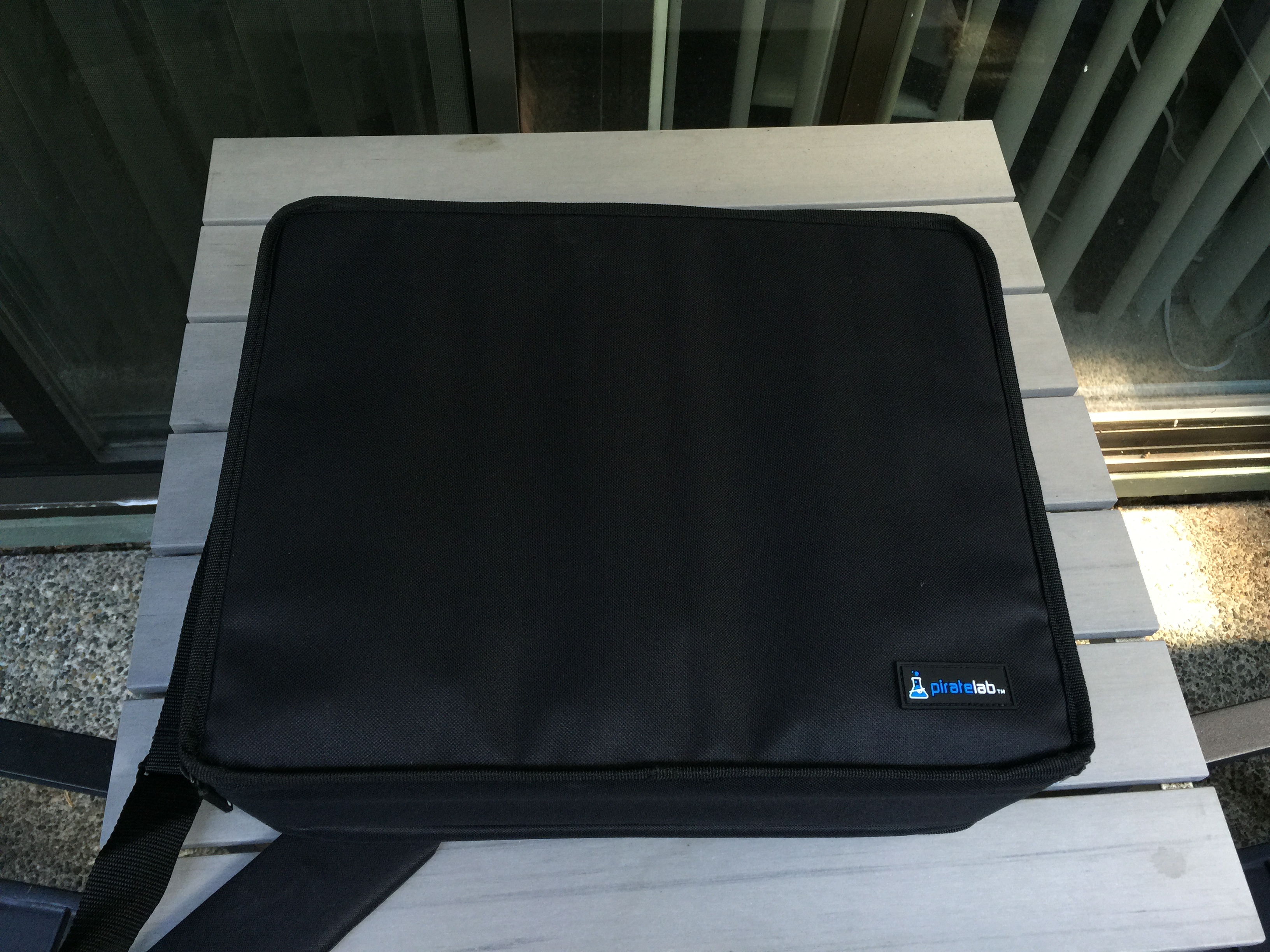
First off, the large is is huge.

IMG_4617

Piratelab Large Card Case in Black

It can hold a TON of stuff! You’ll certainly never find yourself without your favorite deck if you carry this beast with you to a tournament.

IMG_4616

Interior of Large Card Case

By my count, you could jam a full *twelve* Constructed deckboxes into this thing, and still have the two slots on the right free for whatever else you need! I wanted to try out what it would feel like with twelve decks in it, but I realized that I don’t own twelve Magic decks. This thing is a tank, and will hold as many decks as you reasonably could need at a tournament.

IMG_4618

Back Interior of Large Card Case

One nice touch on the Large Case is that loop you see near the bottom of the back part of the back interior of the case. That is a velcro-style loop that can hold a rolled-up playmat. You can also see the padded shoulder strap in this photo; probably necessary if you end up filling this up with all of your decks.

Summary

I’ll admit I was pleasantly surprised by both the quality of construction and the thoughtful design that went into these bags. Most gamer-bags I have looked into have been total trash which sent me running back to my computer bags and backpacks to carry my cards. But these seemed well made, and well thought out.

They aren’t the best made bags I’ve seen, but they are the best made gamer-specific bags I’ve seen.

If I was in the market for a bag to carry my Magic gear, I’d definitely consider a piratelab bag. For me, the small size seems perfect. It’s not too small, and it holds plenty of decks and supplies for how I play the game.

The Small Card Case in black is $49.99 

The Large Card Case in black is $69.99

-Marshall